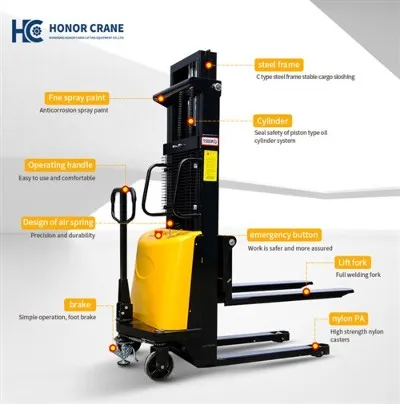

As a common piece of equipment in industrial material handling, the performance and lifespan of oil drum trucks largely depend on the main materials used. Different materials have different characteristics in terms of strength, corrosion resistance, weight, and cost.Appropriate material selection not only affects the reliability of the equipment but also directly impacts its adaptability to various application scenarios. This article will systematically explain the main materials commonly used in oil drum trucks.
The frame is the core load-bearing structure of the oil drum truck, generally made of high-quality carbon structural steel or low-alloy high-strength steel. This type of steel possesses excellent tensile, compressive, and bending properties, maintaining a stable shape when frequently carrying heavy oil drums and resisting deformation and cracks caused by impact loads. Some high-end models incorporate heat treatment followed by strengthening processes in key stress areas to further improve fatigue life. In applications requiring weight reduction, some manufacturers choose aluminum alloy profiles for the frame, which has low density and is easy to process, but requires reinforcing ribs to compensate for the rigidity difference and meet structural safety requirements.
Bearing and clamping components often use wear-resistant steel plates or special alloys. For example, the working surfaces of forks and clamps are often coated with a high-hardness, wear-resistant layer to reduce wear caused by prolonged contact with metal oil drums and maintain clamping accuracy. For oil drum trucks that need to come into contact with chemicals or operate in humid environments, stainless steel is the preferred material due to its excellent corrosion resistance, preventing functional failures and contamination risks caused by rust.
The cylinders and pipelines of hydraulic systems have stringent requirements for material sealing and pressure resistance. Cold-rolled precision steel pipes and high-quality alloy piston rods are typically used, with surfaces chrome-plated or nitrided to reduce the coefficient of friction and enhance rust resistance. The oil tank and some exposed housings are made of engineering plastics or composite materials, combining lightweight construction with a certain degree of impact resistance, helping to reduce overall vehicle weight and improve handling agility.
Tire materials are divided into two categories based on operating conditions: solid rubber tires and pneumatic tires. Solid tires are wear-resistant and maintenance-free, suitable for rough or high-temperature surfaces; pneumatic tires have good cushioning performance, improving ride stability and are suitable for smooth, hard surfaces. In explosion-proof environments, wheel hubs and connecting parts must be made of anti-static or conductive materials to prevent static electricity buildup and potential safety accidents.
In summary, the material selection for oil drum trucks needs to strike a balance between strength, corrosion resistance, lightweight design, and safety compliance. Manufacturers tailor configurations based on the usage environment and operational intensity to achieve optimal matching in terms of load-bearing capacity, durability, and protection, thereby providing robust and reliable hardware support for industrial material handling.