


As a supplier of electric forklift trucks, ensuring the proper alignment of the forks on these machines is crucial for their safe and efficient operation. In this blog, I'll share some in - depth knowledge on how to check the alignment of the forks on an electric forklift truck.
Why Fork Alignment Matters
Before delving into the checking process, it's essential to understand why fork alignment is so important. Misaligned forks can lead to a variety of issues. Firstly, it can cause uneven weight distribution when lifting loads. This uneven distribution not only increases the risk of the load tipping over during lifting, transporting, or stacking but also puts excessive stress on the forklift's mast and other components. Over time, this can lead to premature wear and tear, reducing the lifespan of the forklift and increasing maintenance costs.
Secondly, misaligned forks can make it difficult to accurately position the load. This can slow down the work process, as operators may need to make multiple attempts to properly place the load. In a busy warehouse or industrial setting, this inefficiency can significantly impact productivity.
Tools Required for Fork Alignment Check
To check the alignment of the forks on an electric forklift truck, you'll need a few basic tools:
- A straightedge: This is used to check the straightness of the forks. A long, rigid straightedge will help you identify any bends or curves in the forks.
- A tape measure: You'll use this to measure the distance between the forks at various points to ensure they are parallel.
- A level: A level is necessary to check if the forks are horizontal when the forklift is in a stationary position.
Step - by - Step Fork Alignment Check
1. Prepare the Forklift
Before starting the alignment check, make sure the forklift is parked on a flat, level surface. Turn off the forklift and engage the parking brake. Lower the forks to the ground. This ensures that the forklift is in a stable position and that the forks are at their lowest and most accessible point.
2. Check the Straightness of the Forks
Take the straightedge and place it along the length of each fork. Look for any gaps between the straightedge and the fork. If there are gaps, it indicates that the fork is bent. A bent fork can cause problems with load handling and should be either repaired or replaced.
3. Check the Parallelism of the Forks
Use the tape measure to measure the distance between the forks at the tips, middle, and base. The measurements should be the same at all three points. If the distances vary, the forks are not parallel. Adjust the fork position by loosening the fork clamps and moving the forks until they are parallel. Then, tighten the clamps securely.
4. Check the Horizontal Level of the Forks
Place the level on top of each fork. The bubble in the level should be centered, indicating that the forks are horizontal. If the bubble is off - center, it means the forks are not level. This can be adjusted by adjusting the hydraulic system of the forklift.
5. Inspect the Fork Mounting
Examine the fork mounting points on the mast. Make sure they are clean, free of debris, and in good condition. Any damage or wear at the mounting points can affect the alignment of the forks. If there is any damage, it should be repaired or the mounting components should be replaced.
Common Alignment Issues and Solutions
- Bent Forks: As mentioned earlier, bent forks can be a major problem. If the bend is minor, it may be possible to straighten the fork using appropriate tools. However, if the bend is severe, the fork should be replaced. We offer a wide range of replacement forks for our 2 Ton Battery Operated Forklift and 3 Ton Electric Forklift models.
- Uneven Fork Height: If one fork is higher than the other, it can cause problems with load balance. This can be adjusted by checking the hydraulic cylinders and valves. Make sure there are no leaks or malfunctions in the hydraulic system.
- Loose Fork Clamps: Loose fork clamps can cause the forks to shift out of alignment. Regularly check the tightness of the fork clamps and tighten them as needed.
Importance of Regular Fork Alignment Checks
Regularly checking the alignment of the forks on your electric forklift truck is essential for maintaining its safety and performance. It's recommended to perform a visual inspection of the forks before each use and a more detailed alignment check at least once a month or after any significant impact or heavy - duty use.
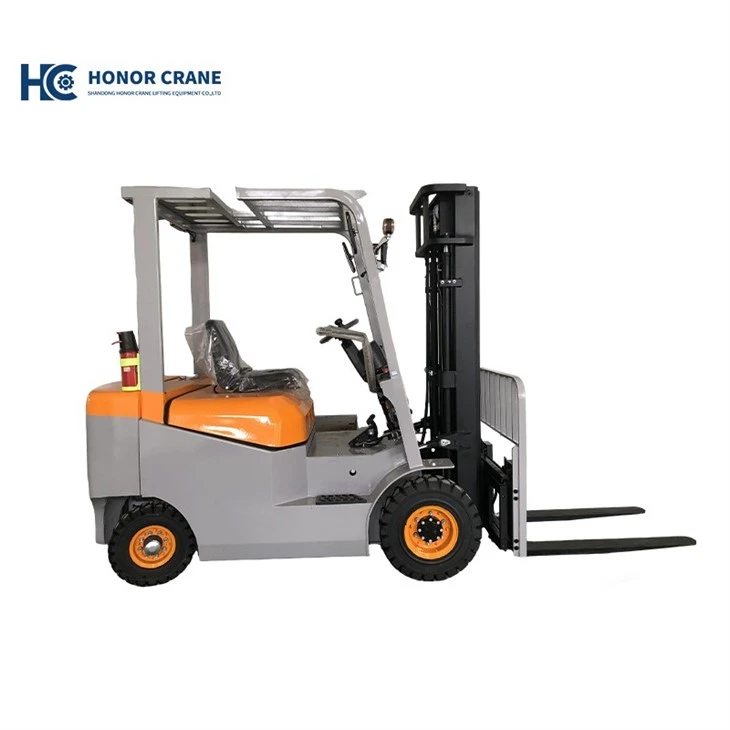
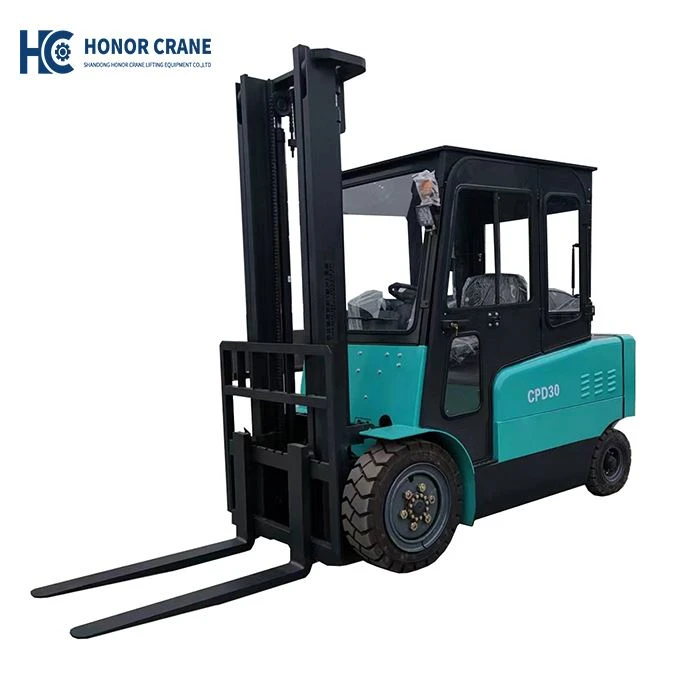
Our Electric Forklift Truck Offerings
At our company, we are committed to providing high - quality electric forklift trucks. Our Lithium Electric Forklift is a popular choice among our customers due to its long - lasting battery life and efficient operation. Whether you need a 2 - ton or 3 - ton forklift, we have the right solution for your business.
Contact Us for Purchase and Consultation
If you're in the market for an electric forklift truck or need more information about fork alignment and maintenance, we're here to help. Contact us to discuss your specific requirements, and our team of experts will be happy to assist you in finding the perfect forklift for your operations. We can also provide you with detailed guidance on how to keep your forklift in optimal condition.
References
- "Forklift Safety Manual", Industrial Equipment Manufacturers Association
- "Electric Forklift Maintenance Guide", Forklift Industry Journal